Light Foot refers to a historical term for swift, mobile foot soldiers and reflects a tradition of community-based readiness rooted in speed, adaptability, and local responsibility rather than standing armies.
The word militia comes from the Latin miles, meaning “soldier,” but it does not refer to a professional, paid soldier or a standing army under centralized national command. Historically, militia described the people of a community—traditionally those of fighting age—who were trained, equipped with their own arms, and prepared to defend their homes and neighbors when needed.
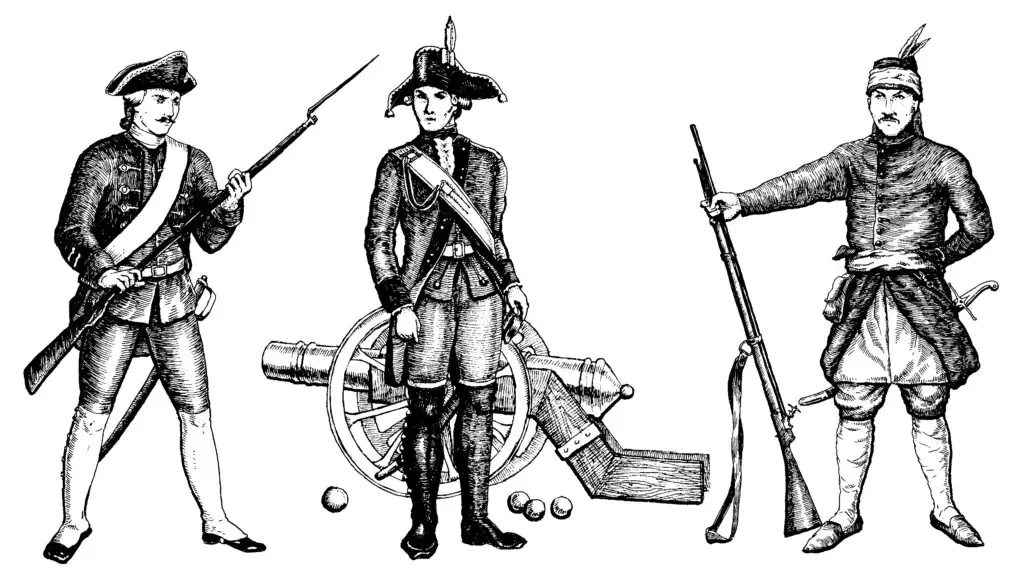
Up through the late 18th and early 19th centuries, British infantry units were commonly referred to as Foot, meaning foot soldiers. Units were designated by number, such as the 13th Regiment of Foot. Light infantry units were known as Light Foot, while cavalry units were called Horse, with distinctions such as Heavy Horse used for armored cavalry formations.
During the War for Independence, America’s founding generation deliberately adopted the terms Infantry and Cavalry to distinguish their forces from the King’s standing army. The term Foot is retained here for a similar reason—to clearly distinguish community-based citizen preparedness from professional military infantry.
From this comes the term Light Foot—as in Idaho Light Foot or Kootenai County Light Foot. The name reflects an emphasis on readiness, movement, and practical capability rather than mass, rigidity, or centralized force.
This material is provided for educational purposes as part of the 55th’s Resources & Training reference.