Education that Strengthens Freedom

Knowledge, Practice, and Preparedness for Real-World Readiness

Victory Loves Preparedness ~ Victoria Praeparationem Amat La Victoire Aime la Préparation La Victoria Ama la Preparación A Vitória Ama a Preparação La Vittoria Ama la Preparazione Der Sieg Liebt Vorbereitung De Overwinning Houdt Van Voorbereiding Seger älskar Förberedelse Seier Elsker Forberedelse Voitto Rakastaa Valmistautumista Vítězství Miluje Připravenost

Image by Lahiru Welahetti, Unsplash City Beach Pier, Sandpoint, Idaho
Training is the foundation of preparedness. It develops the knowledge, skills, mindset, and habits needed to strengthen personal resilience, support families and communities, and contribute effectively across the four core pillars of the 55th Light Foot Battalion: Communications, Medical Preparedness, Sustainment, and Field Operations.
Modern preparedness education increasingly relies on hybrid training models that integrate structured instruction, online learning, practical exercises, and evolving technologies. By combining classroom education, digital resources, and hands-on experience, this approach allows individuals to build real-world capabilities while remaining adaptable to changing conditions and emerging challenges.
Training emphasizes practical, realistic skills that help individuals and families prepare for emergencies, disasters, and periods of uncertainty. Areas of focus include emergency communications, medical preparedness, sustainment and self-sufficiency, fieldcraft, and the ability to operate effectively when normal infrastructure, utilities, or supply chains are disrupted.
Beyond individual readiness, training strengthens collective resilience, coordinated response, and responsible community support. Through shared learning, continual skill development, and a commitment to safe practices, members build the confidence and capability to assist others when appropriate while working in accordance with applicable laws and in cooperation with local authorities and emergency services when circumstances require.

Training and Development Framework

Training Approach

Training combines individual skill development with team coordination, practical application, and continuous improvement. Instruction is designed to be progressive, achievable, and relevant to real-world preparedness needs while accommodating members with varying levels of experience.
Key elements of the training approach include:
Drills
Repeated practice of foundational skills to build confidence, consistency, efficiency, and proficiency.
Exercises
Realistic scenarios that allow members to apply knowledge and skills in simulated emergencies, disruptions, and other preparedness-related situations.
After Action Reviews (AARs)
Structured discussions conducted following training activities to identify strengths, lessons learned, and opportunities for improvement. Honest evaluation of both successes and challenges helps strengthen future performance and decision-making.
Training emphasizes the repetition of fundamentals, practical application, and continuous learning. Through a combination of education, drills, exercises, and review, members build lasting capabilities that support personal readiness, team coordination, and community resilience.
Image by Lahiru Welahetti, Unsplash Statue of Liberty ~ City Beach Pier, Sandpoint, Idaho

Training and Development Framework

The 55th Light Foot Battalion utilizes a progressive training and development framework that combines structured instruction, practical application, continuous learning, and skills reinforcement. This approach helps members build competency over time while supporting readiness across the four core pillars.

Instructional Progression

Hybrid training combines traditional classroom instruction, online learning, standards-based resources, range training, communications exercises, fieldcraft, and hands-on preparedness activities into a unified learning environment. This blended approach allows members to learn foundational concepts, practice essential skills, and apply those skills through realistic exercises and team-based activities. By combining education with practical application, training remains relevant, adaptable, and focused on building lasting capability and readiness.

Standards, Manuals, and Videos

Learning resources include standards and manuals, instructional guides, and training videos that reinforce instructor-led and online instruction while supporting both initial training and ongoing readiness.

Live and Virtual Integration

Skill development through classroom instruction and online learning, reinforced by discussion, practice, and applied coursework. The goal is to ensure knowledge remains relevant and usable in real-world contexts.

Core Training Disciplines

Communications

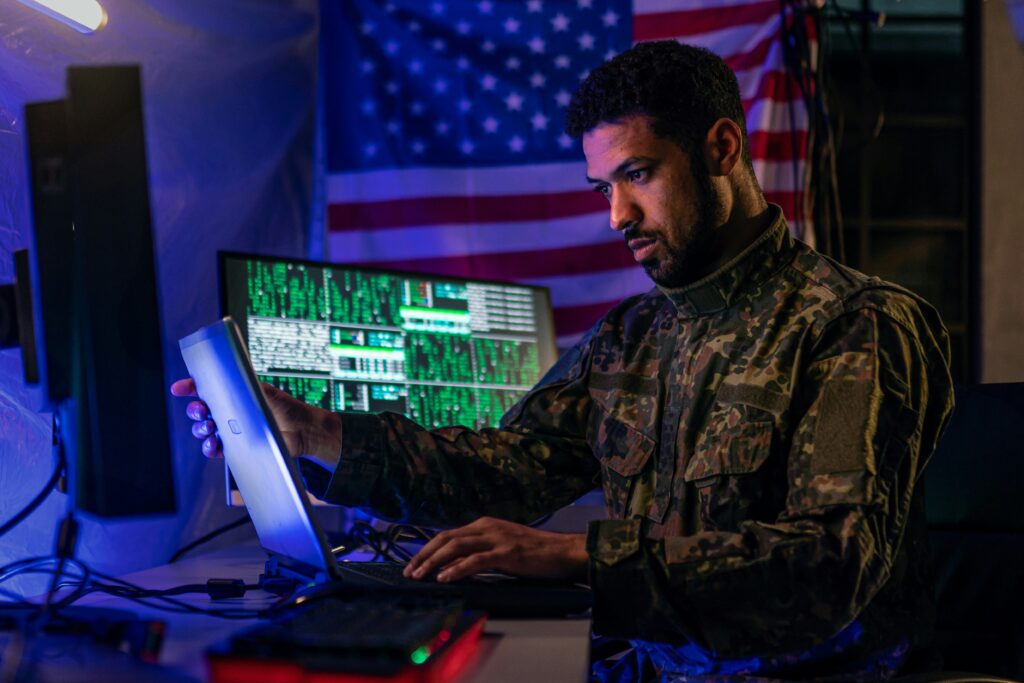
Training integrates traditional operational skills with modern communications and cyber awareness, reflecting the realities of today’s environments. Education includes the effective use of radio communications, emphasizing radio protocols and net discipline, redundancy and communications planning, coordination across teams and roles, and the use of rapid alert systems to quickly disseminate critical information.
This layered approach prepares individuals and teams to maintain reliable coordination when digital networks are degraded, disrupted, or unavailable—ensuring timely alerts, shared situational awareness, and effective response across both electronic and low-tech communication systems.

Medical Preparedness

Medical preparedness through education in trauma response, casualty care, and emergency decision-making, reinforced by hands-on practice and scenario-based instruction. This ensures skills remain current and actionable under stress.

Sustainment and Sustainability

Education extends beyond immediate response to include logistics, resource management, and long-term sustainability—such as food, water, energy, and operational planning—supporting endurance and continuity during extended operations or disruptions.

Field Operations and Applied Drills

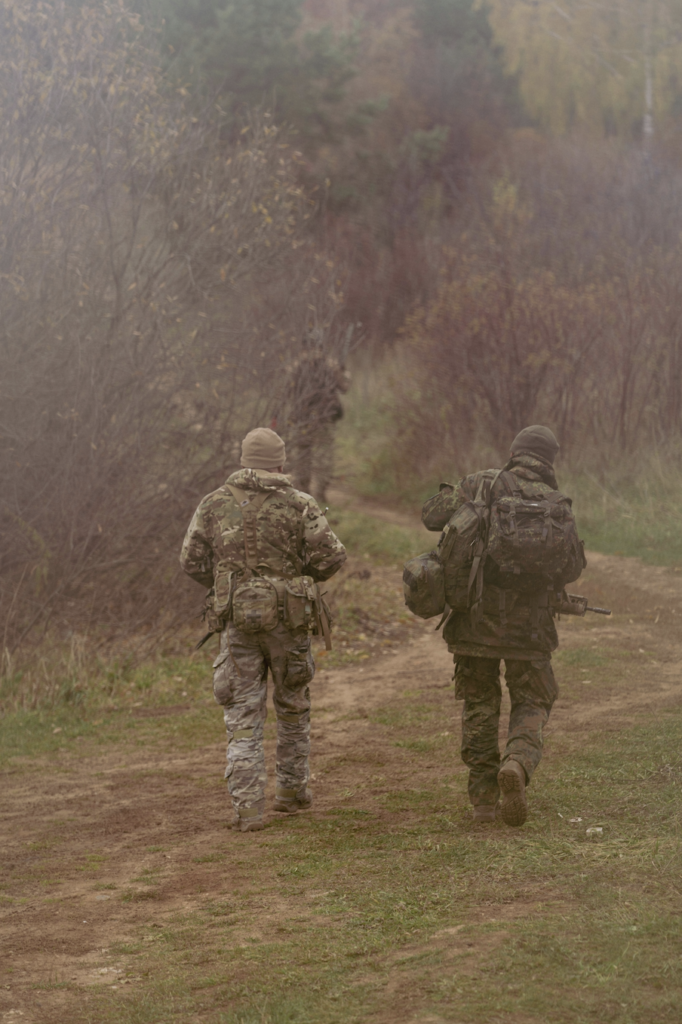
Training emphasizes the practical skills and capabilities associated with field operations, including movement, navigation, observation, teamwork, coordination, and situational awareness. Through drills, exercises, and hands-on activities, members develop confidence, discipline, adaptability, and the ability to apply skills effectively in realistic environments. Repetition of core tasks and progressive challenges helps reinforce readiness while supporting individual and team performance.

Conclusion

Through hybrid training, education, practice, and coordination come together to build readiness across disciplines. By combining instructor-led instruction, online learning, standards-based resources, and real-world application, training remains adaptable, consistent, and grounded in practical preparedness—supporting operational readiness and the ability to serve and support the broader community across Northern Idaho.